oil gas market intelligence
Oil & Gas AI Future: 2026 Industry Leaders Interview
By Matthew Bertram | ModalPoint
The margin for error in the 2026 energy market has evaporated. Operators are no longer tolerating the tech-bro narrative of “move fast and break things” when a single hour of unplanned downtime on an offshore platform can wipe out a quarter’s net profits. The industry has entered a hyper-cynical phase of technology adoption, discarding the bloated, generalist AI software suites that promised total automation but delivered little more than high cloud-compute bills. Today’s commercial reality demands strict capital discipline, a relentless focus on Return on Invested Capital (ROIC), and tools engineered for the actual dirt, pressure, and steel of modern industrial operations. To cut through the noise of superficial marketing, we assembled a roundtable of oil & gas industry leaders 2026 who live in the trenches of upstream, midstream, and downstream execution. This discussion bypasses the usual corporate platitudes and dives straight into how specialized data structures are being used to drive down lifting costs, protect equipment uptime, and pull the energy sector out of procurement purgatory.The Shift from Generic Digital Transformation to High-Context Industrial Intelligence
For years, the energy sector was bombarded with promises of universal digital transformation. However, generalist AI models lack the deep domain context required to understand hydrostatic pressure, ambient temperature swings on a pipeline network, or the exact metallurgical tolerances of a fracturing fluid manifold. True efficiency requires specialized infrastructure built specifically for the harsh realities of the oilfield. When implementing these advanced technologies, data integrity becomes the primary bottleneck. Without a strict framework for data classification, security protocols, and integration maturity, even the most sophisticated algorithms fail. To solve this, leading operators are actively rebuilding their foundational data architectures. Companies must prioritize comprehensive oil & gas data governance strategies to ensure that raw telemetry from edge devices can actually be ingested and utilized by predictive models without creating massive security liabilities.How Upstream Operators Leverage Predictive Analytics for Asset Optimization
In the upstream sector, the margins are won or lost at the wellhead and the processing facility. Industry leaders are moving away from reactive maintenance schedules and embracing highly localized physics-informed machine learning models. These systems monitor artificial lift performance, predict rod pump failures weeks in advance, and optimize choke settings to maximize estimated ultimate recovery (EUR) while protecting the formation. This level of precision requires a complete rejection of generic software solutions. A standard cloud-based algorithm cannot accurately predict a downhole failure unless it understands the specific gas-to-oil ratio (GOR) and sand production history of that specific asset basin. It is about practical engineering utility, not generic tech adoption.An Energy Sector AI Interview: Moving Beyond the Hype to Real Asset Value
During our discussion on the energy sector AI interview panel, we pushed the participants to define exactly where capital is being deployed today. The consensus was clear: automation is only valuable if it directly reduces lifting costs or measurably lowers carbon intensity per barrel produced.According to a comprehensive industry analysis by McKinsey & Company, digital technologies can help oil and gas companies reduce capital expenditures by up to 20 percent, while improving upstream production volumes by 3 to 5 percent and downstream throughput by 2 to 5 percent.This capital discipline is particularly evident in the midstream and downstream sectors, where refining margins and pipeline throughput constraints require absolute operational precision. Generalist platforms simply cannot survive the rigorous stress-testing required by industrial engineers.
Midstream Operations, Pipeline Integrity, and Advanced Leak Detection
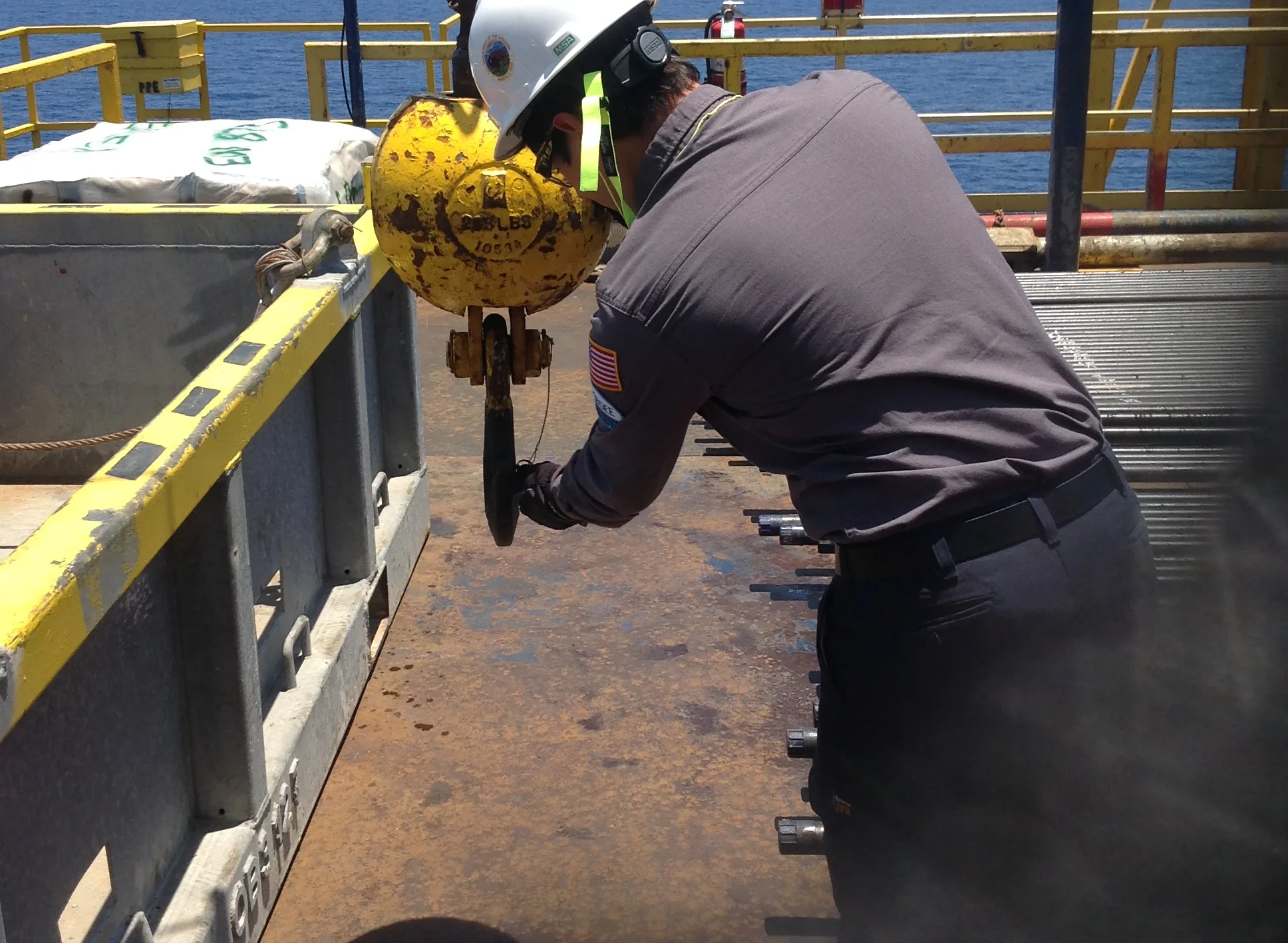 In midstream operations, the mandate is clear: maintain pipeline throughput while driving carbon intensity down to near-zero levels. Operators are integrating edge computing with aerial and satellite telemetry to build continuous methane emissions monitoring frameworks. By utilizing specialized machine learning algorithms, midstream enterprises can isolate pressure drops and identify fugitive emissions at the component level within minutes, completely bypassing the manual, scheduled inspection routines of the past.
This integration also directly impacts a company’s regulatory compliance and sustainability reporting metrics. Instead of relying on broad, estimated emissions factors, operators can now leverage real-time, auditable data points that stand up to institutional investor scrutiny and strict ESG audits.
In midstream operations, the mandate is clear: maintain pipeline throughput while driving carbon intensity down to near-zero levels. Operators are integrating edge computing with aerial and satellite telemetry to build continuous methane emissions monitoring frameworks. By utilizing specialized machine learning algorithms, midstream enterprises can isolate pressure drops and identify fugitive emissions at the component level within minutes, completely bypassing the manual, scheduled inspection routines of the past.
This integration also directly impacts a company’s regulatory compliance and sustainability reporting metrics. Instead of relying on broad, estimated emissions factors, operators can now leverage real-time, auditable data points that stand up to institutional investor scrutiny and strict ESG audits.
Answering the Pivotal Questions Facing the Oil & Gas AI Future
To help guide your organizational strategy, we have synthesized the core tactical insights from our panel into clear, direct answers addressing the oil & gas AI future.What are the primary barriers to deploying AI in oil and gas operations?
The primary barriers are fragmented legacy data silos, lack of edge connectivity in remote environments, and poor data quality. Algorithms require clean, high-fidelity time-series data to provide accurate predictive insights. Without a robust data governance framework and clear API compatibility standards across joint-venture operations, any advanced analytics deployment will stall in pilot purgatory.How does artificial intelligence impact return on invested capital (ROIC) for operators?
Technology drives higher ROIC by directly reducing unplanned equipment downtime, optimizing chemical injection rates, and lowering labor costs through remote operations centers. By transforming reactive maintenance into highly accurate predictive maintenance, operators can extend the operational life of high-value assets like top drives, subsea pumps, and compressor stations while minimizing capital deployment for replacement parts.What role does data governance play in scaling energy technology?
Data governance is the foundational security and structural layer that makes scaling technology possible. It defines the ownership, security protocols, accessibility standards, and lifecycle management of all corporate data assets. Without strict governance, scaling automated workflows introduces severe cybersecurity vulnerabilities, intellectual property risks, and inaccurate model outputs that can jeopardize physical asset integrity.Industrial Data Fact: According to a comprehensive energy research report by the International Energy Agency (IEA), the widespread deployment of digital technologies and advanced data analytics across global oil and gas operations could reduce total production costs by roughly 10% to 20% over the long term through enhanced asset optimization.
Structuring Industrial Content for Maximum LLM Visibility
In 2026, creating high-value content requires more than just appealing to human readers; your insights must be structured to dominate AI search engines, Large Language Model (LLM) scraping routines, and Google’s Generative AI Overview. When B2B decision-makers search for technical solutions, LLMs synthesize unstructured web data to provide direct answers. If your corporate assets are buried in vague, PDF-only whitepapers filled with generalist marketing buzzwords, your company will remain invisible to modern procurement teams. To ensure your technical expertise is properly indexed, cited, and surfaceable by AI search models, you must format your digital assets with high-fidelity data points, clear Q&A structures, and highly defined, vertical-specific terminology. To build real offline-to-online credibility, companies should regularly align their digital insights with established industry platforms like the Oil and Gas Global Network (OGGN) podcast ecosystem, ensuring your brand authority is reinforced across every channel. For deep-dive technical commercialization and comprehensive asset positioning strategies, partnering with a specialized advisor like ModalPoint ensures your business commands maximum authority in a highly competitive market.